How Technology Saves Lives in Emergencies
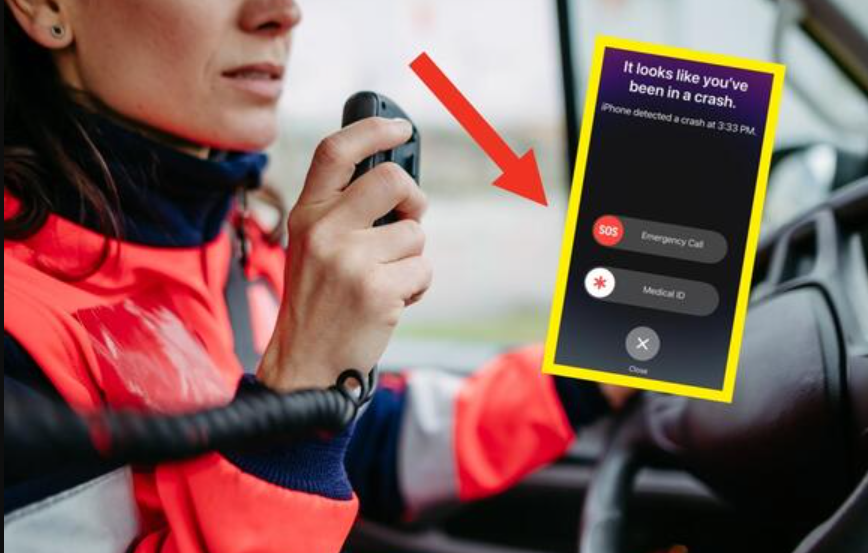
Technology has become an integral component in emergency response efforts. Its influence spans various domains, from aerial assessments conducted by drones to the use of mobile applications for crisis communication. Real-time data analytics facilitate informed decision-making during disasters. Additionally, advancements in medical technology provide immediate assistance in critical moments. The convergence of these tools raises important questions about their effectiveness and future applications in saving lives. What implications do these innovations hold for emergency management?
The Role of Drones in Search and Rescue Operations
Although search and rescue operations have traditionally relied on ground teams and helicopters, the integration of drones has significantly enhanced their efficiency and effectiveness.
Drone surveillance allows teams to quickly assess vast areas, while aerial mapping provides detailed topographical data that aids in strategic planning.
This technological advancement empowers rescuers to make informed decisions, ultimately increasing the likelihood of saving lives in critical situations.
See also: Innovation & Technology Brief: 937496751, 353227342, 120952475, 1615329096, 6137047881, 6175861321
Mobile Apps Revolutionizing Emergency Communication
As technology continues to advance, mobile applications have emerged as critical tools for improving emergency communication.
These apps facilitate timely emergency alerts, ensuring that individuals receive crucial information during crises.
Furthermore, they enhance crisis coordination by enabling seamless communication between responders and the public.
Real-Time Data and Its Impact on Disaster Management
Real-time data has become a cornerstone of effective disaster management, enabling authorities to make informed decisions swiftly and accurately.
Through advanced data analytics and predictive modeling, emergency responders can anticipate resource needs, assess risks, and optimize evacuation routes.
This strategic use of information not only enhances operational efficiency but also significantly improves the safety and resilience of communities facing unexpected crises.
Innovative Medical Technologies in Crisis Situations
When emergencies strike, innovative medical technologies play a crucial role in saving lives and improving outcomes in crisis situations.
Wearable devices monitor vital signs in real-time, enabling rapid assessment and intervention.
Concurrently, telemedicine solutions facilitate remote consultations, connecting patients with healthcare professionals despite physical barriers.
Together, these advancements ensure timely medical responses, enhancing the effectiveness of emergency care and empowering individuals during critical moments.
Conclusion
In conclusion, the integration of technology in emergency response is akin to a modern-day knight wielding a sword of innovation against the dragons of disaster. Drones, mobile apps, real-time data analytics, and advanced medical technologies collectively enhance response capabilities, ensuring swift communication and effective resource allocation. This synergy not only improves coordination during crises but also significantly boosts survival rates, illustrating the transformative power of technology in safeguarding lives when every second counts.